

Foundations of Women’s Health
Women’s health begins long before adulthood, shaped by genetics, nutrition, hormonal development, and early medical care. Adolescence introduces physical and emotional changes that influence menstrual health, bone development, and reproductive maturity, making early education and medical awareness essential.
Establishing healthy habits early supports long term wellbeing. Regular medical reviews, understanding menstrual patterns, and addressing symptoms promptly help prevent future complications. Early engagement with women’s health care builds confidence, encourages prevention, and supports healthier outcomes later in life.
- Puberty and hormonal changes
- Menstrual cycle awareness
- Nutrition and growth
- Early reproductive education
- Preventive health habits
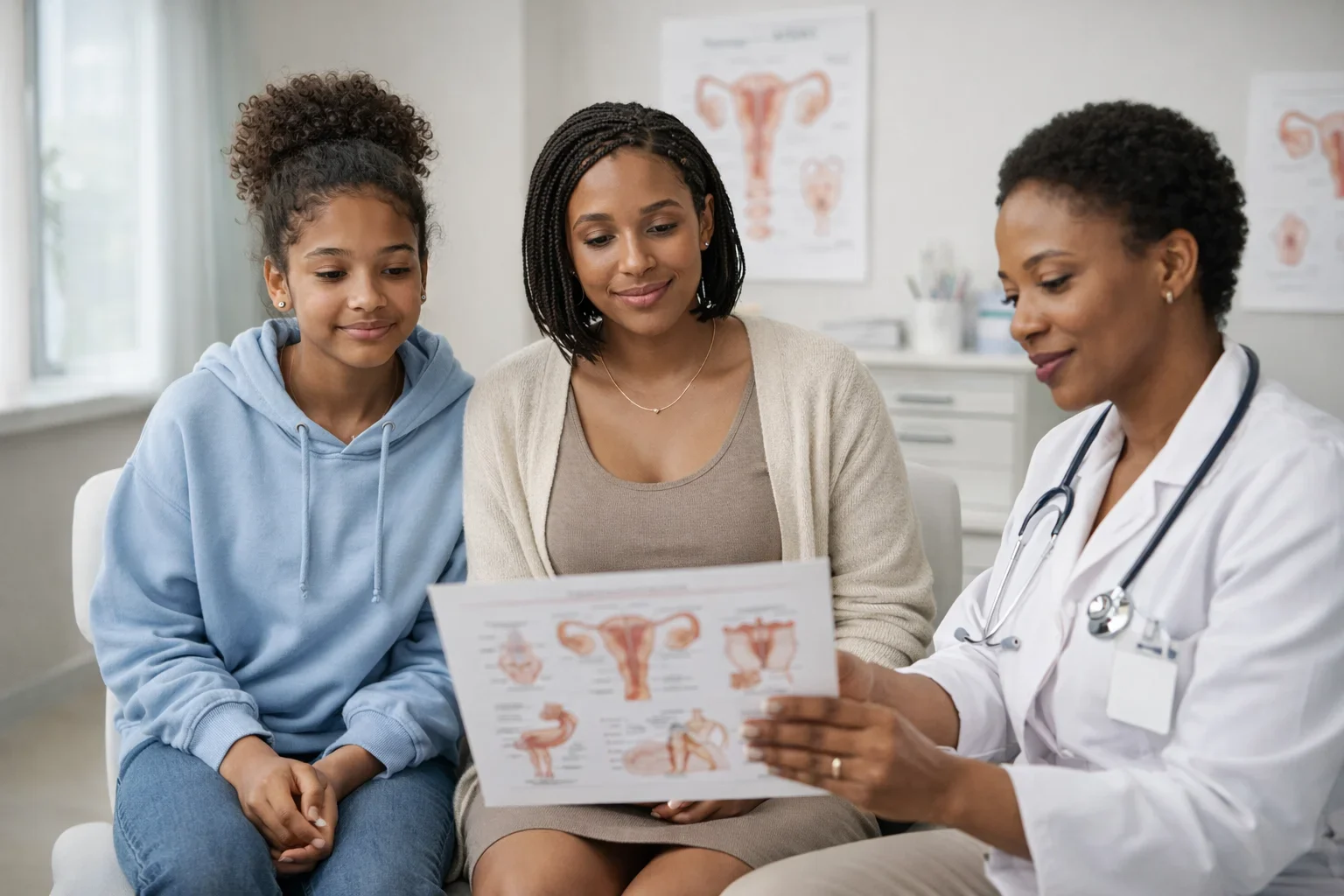

Reproductive Years and Hormonal Balance
During reproductive years, women’s health is closely linked to hormonal balance, menstrual regularity, fertility, and reproductive planning. Physical demands, lifestyle factors, and stress can influence wellbeing, making routine evaluation and early management of symptoms an important part of care.
This stage often includes decisions around contraception, fertility, and pregnancy. Medical guidance supports informed choices, helps manage gynecological conditions, and promotes reproductive health through accurate diagnosis and evidence based treatment tailored to individual needs and life goals.
Ignoring symptoms such as irregular bleeding, pelvic discomfort, or hormonal changes can delay diagnosis and treatment. Proactive care during these years supports both immediate wellbeing and future reproductive outcomes while reducing the risk of long term complicatio
Menstrual Health
Regular cycles indicate hormonal balance and reproductive wellbeing.
Fertility Awareness
Understanding ovulation and reproductive potential supports informed planning.
Gynecological Screening
Routine assessments help detect conditions early and prevent complications.
Hormonal Regulation
Managing imbalance supports energy levels, mood, and overall health.

Pregnancy, Motherhood, and Recovery
Pregnancy introduces significant physical and hormonal changes that require careful monitoring and medical guidance. Maternal health during this period directly affects fetal development, pregnancy outcomes, and long term wellbeing for both mother and child.
Prenatal care focuses on early detection of risks, management of existing conditions, and ongoing assessment throughout pregnancy. Regular evaluations support maternal safety, guide clinical decisions, and provide reassurance during a time of major physical and emotional change.
Childbirth is followed by a recovery phase that is often overlooked. Physical healing, hormonal shifts, and emotional adjustment require attention. Post pregnancy care supports recovery, addresses complications early, and promotes long term reproductive and pelvic health.
Ignoring post pregnancy symptoms such as pain, urinary changes, or fatigue may delay recovery. Continued medical support after delivery helps women regain strength, manage long term effects, and transition confidently into the next stage of health and wellbeing.
Midlife Health and Menopause
Midlife brings gradual hormonal changes that affect menstrual patterns, bone health, cardiovascular risk, and emotional wellbeing. Symptoms such as hot flushes, sleep disturbance, and mood changes may appear. Medical guidance supports symptom management, disease prevention, and quality of life during this transition.
Healthy Aging and Ongoing Care
Women’s health continues to evolve beyond menopause. Ongoing gynecological care, screening, and preventive strategies remain essential for maintaining comfort, independence, and wellbeing. Regular medical reviews support healthy aging and early identification of age related conditions.
Understanding Your Body's Signals
Women's bodies have unique ways of signalling potential health issues. Paying attention to subtle changes is the first step toward maintaining reproductive wellness in Pretoria. Many conditions are easily treatable when caught early, preventing complications later in life. Ignoring persistent symptoms can lead to more serious challenges that could be avoided with timely care.
Regular self-awareness combined with professional medical advice forms the foundation of women wellness. It is crucial to distinguish between normal cyclical changes and persistent issues requiring investigation. Our clinic in South Africa encourages open discussions to ensure every patient receives accurate information and appropriate care for their specific needs.
- Menstrual irregularities
- Abnormal bleeding
- Pelvic pain or pressure
- Unusual discharge
- Urinary changes

Abnormal Bleeding and Pain
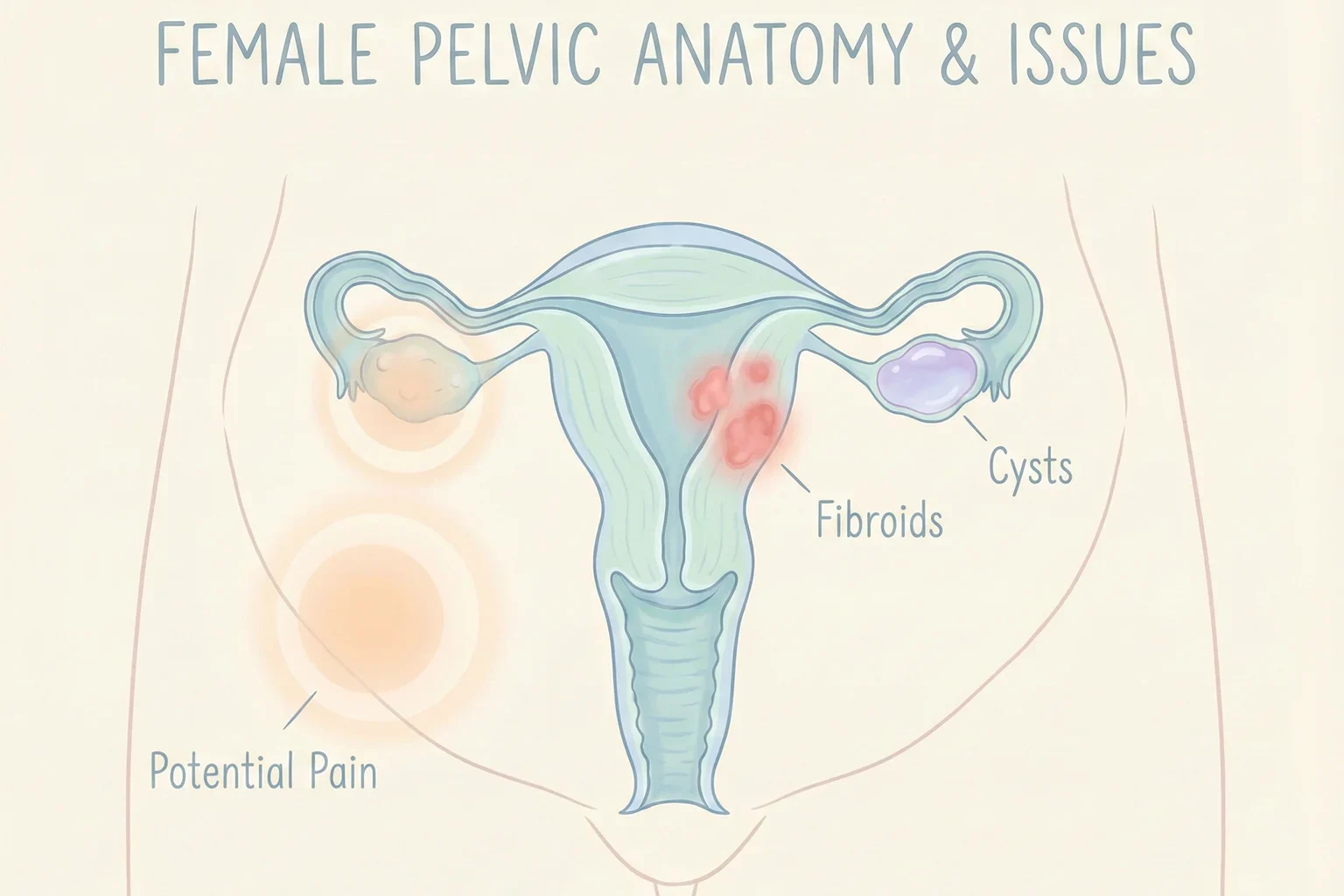
Changes in bleeding patterns are key indicators of gynecological issues. This includes bleeding between periods, excessively heavy flow, or bleeding after intercourse. While some irregularities are temporary, persistent abnormal bleeding should not be dismissed. It requires a professional assessment in Pretoria to rule out conditions like fibroids or hormonal imbalances.
Pelvic pain unrelated to menstrual cramps demands attention. Chronic or acute pain in the lower abdomen can arise from various sources, such as cysts, endometriosis, or infections. Seeking timely medical advice in South Africa for unexplained pelvic discomfort is crucial for identifying the root cause and beginning an effective treatment plan to restore your comfort.
Pain during intercourse, known as dyspareunia, is a symptom many women hesitate to discuss with their doctor. However, it can be a sign of structural issues, inflammation, or hormonal changes that need medical intervention. Addressing this symptom with a specialist at our clinic can lead to significant improvements in both physical health and overall quality of life.
Postmenopausal bleeding
Any vaginal bleeding that occurs after menopause is not normal and requires immediate investigation by a gynecologist to rule out serious conditions.
Severe menstrual cramps
Cramps that do not improve with over-the-counter pain relief or that disrupt daily activities should be evaluated for potential underlying causes like endometriosis.
Bleeding after sex
This can be a sign of cervical issues or infections and should always be checked by a professional at our Pretoria clinic.
Other Subtle but Significant Signs
Changes in vaginal discharge often signal an infection or imbalance. While discharge varies throughout the cycle, look for significant changes in color, consistency, or odor. An unusual discharge accompanied by itching or irritation is a clear sign to schedule a consultation. Early treatment prevents the spread of infections and restores the natural balance of your reproductive tract.
Urinary symptoms frequently overlap with gynecological health. Increased urination frequency, pain during urination, or blood in the urine should not be ignored. These could indicate a urinary tract infection, bladder issues, or pressure from pelvic organs. A thorough evaluation in Pretoria can determine the cause and ensure appropriate management for these symptoms.
A feeling of pressure or fullness in the pelvic area can indicate conditions like pelvic organ prolapse or ovarian cysts. This sensation may be accompanied by persistent lower back pain or abdominal bloating. These symptoms warrant a professional assessment in South Africa to monitor for structural changes or growths requiring medical or surgical intervention.
Changes in breast tissue should also be monitored closely as part of overall women wellness. Lumps, nipple discharge, or changes in skin texture require immediate medical attention. Regular self-exams combined with clinical screenings at our Pretoria practice are essential tools for early detection of breast abnormalities, ensuring prompt and effective care when needed.
The Importance of Early Detection
Experiencing one or more of these symptoms does not automatically mean a serious condition exists, but they serve as important signals to seek professional advice. Self-diagnosis is rarely accurate. A consultation with an experienced gynecologist like Dr. Songabau provides peace of mind through accurate diagnosis and tailored treatment plans in Pretoria.
Proactive care is the best approach to reproductive health. Don't wait for symptoms to become severe before seeking help. Early detection of gynecological issues leads to better health outcomes and less invasive treatment options. Prioritize your well-being by scheduling regular check-ups and addressing concerns promptly at our clinic in South Africa.
If you have noticed any of these common symptoms, do not delay. Contact Dr. Songabau's practice in Pretoria today to schedule a confidential consultation and take control of your reproductive health journey.
Related Services at Our Clinic
Our practice offers comprehensive medical care to address the symptoms and conditions discussed above. Explore our specialized services designed to support your total women wellness:
- Urogynecology & Pelvic Health
- Special Woman’s Health & Infertility
- Ultrasound & Anatomical Model
- Obstetrics & Gynecology
Understanding Pregnancy as a Medical Journey
Pregnancy is a dynamic medical process marked by continuous physical, hormonal, and physiological change. Each stage brings unique developments that require careful monitoring to identify risks early, support maternal wellbeing, and promote healthy fetal growth from conception to delivery.
Medical monitoring during pregnancy is not only about managing complications. It also provides reassurance, guidance, and preventive care. Regular assessments allow healthcare providers to track progress, explain changes, and support informed decision making throughout the pregnancy journey.

First Trimester: Early Development and Risk Assessment
The first trimester is a critical period of early development, during which major organs begin to form. Medical monitoring focuses on confirming pregnancy, establishing gestational age, and identifying early risk factors that may affect maternal health or fetal development.
Symptoms such as nausea, fatigue, and hormonal changes are common during this stage. Medical evaluation helps distinguish normal pregnancy changes from signs that require further investigation, ensuring early intervention when necessary.
Early antenatal visits support baseline health assessment, review of medical history, and guidance on nutrition and lifestyle. This foundation is essential for planning care throughout the remainder of pregnancy.
Baseline Health Review
Medical history and risk factors are assessed early.
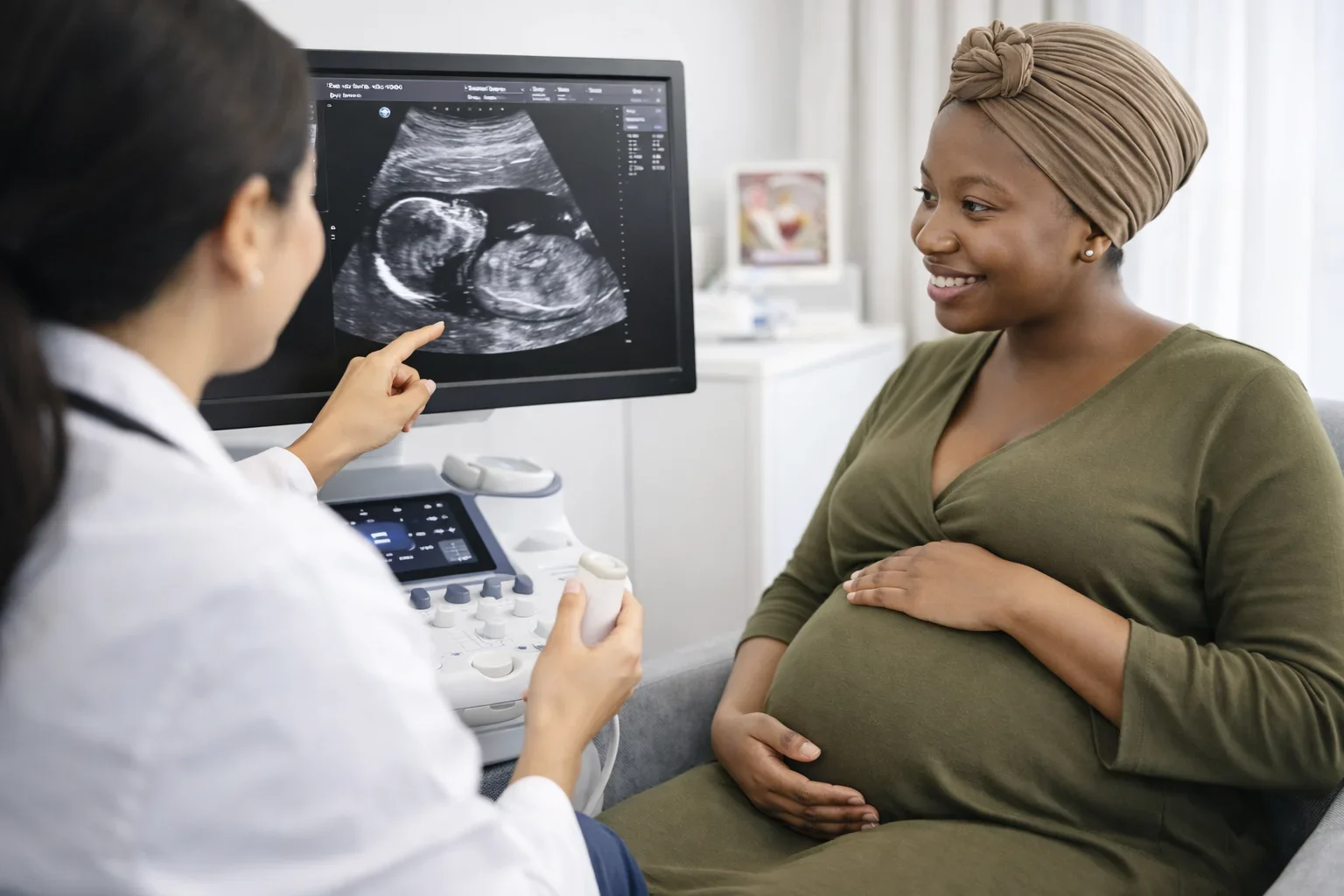
Early Ultrasound
Imaging supports accurate dating and early reassurance.
Preventive Guidance
Advice supports healthy development from the start.
Second Trimester: Growth, Screening, and Stability
The second trimester is often marked by physical stability and visible fetal growth. Medical monitoring during this stage focuses on screening for structural development, monitoring maternal health, and identifying conditions that may emerge as pregnancy progresses.
Routine assessments include blood pressure monitoring, fetal growth evaluation, and screening tests when indicated. These evaluations support early detection of conditions such as gestational diabetes or hypertensive disorders.
This stage also provides an opportunity for education and preparation. Understanding fetal development and anticipated changes helps expectant mothers feel more confident and engaged in their care.

Third Trimester: Preparing for Birth and Safety
The final trimester focuses on preparing for delivery while closely monitoring maternal and fetal wellbeing. As physical demands increase, medical assessments become more frequent to ensure safety during the final stages of pregnancy.
Monitoring includes assessment of fetal position, growth patterns, and maternal symptoms. These evaluations guide delivery planning and help identify when additional support or intervention may be required.
Clear communication during this stage is essential. Discussions around birth plans, warning signs, and expectations help reduce anxiety and support informed, confident decision making as delivery approaches.

Post Delivery Monitoring and Maternal Recovery
Medical monitoring does not end at delivery. The post delivery period involves physical recovery, hormonal adjustment, and emotional adaptation. Early assessment helps identify complications and supports safe recovery for new mothers.
Follow up care addresses bleeding, pain, healing, and overall wellbeing. Continued medical support during this phase is essential for preventing long term complications and promoting sustained maternal health.
Why Continuous Monitoring Matters
Consistent medical monitoring throughout pregnancy improves outcomes by identifying risks early, guiding timely intervention, and supporting maternal confidence. Each stage builds upon the last, creating a structured approach to safe, informed pregnancy care.
Understanding Your Body's Signals
Women's bodies have unique ways of signalling potential health issues. Paying attention to subtle changes is the first step toward maintaining reproductive wellness in Pretoria. Many conditions are easily treatable when caught early, preventing complications later in life. Ignoring persistent symptoms can lead to more serious challenges that could be avoided with timely care.
Regular self-awareness combined with professional medical advice forms the foundation of women wellness. It is crucial to distinguish between normal cyclical changes and persistent issues requiring investigation. Our clinic in South Africa encourages open discussions to ensure every patient receives accurate information and appropriate care for their specific needs.
- Menstrual irregularities
- Abnormal bleeding
- Pelvic pain or pressure
- Unusual discharge
- Urinary changes
Abnormal Bleeding and Pain
Changes in bleeding patterns are key indicators of gynecological issues. This includes bleeding between periods, excessively heavy flow, or bleeding after intercourse. While some irregularities are temporary, persistent abnormal bleeding should not be dismissed. It requires a professional assessment in Pretoria to rule out conditions like fibroids or hormonal imbalances.
Pelvic pain unrelated to menstrual cramps demands attention. Chronic or acute pain in the lower abdomen can arise from various sources, such as cysts, endometriosis, or infections. Seeking timely medical advice in South Africa for unexplained pelvic discomfort is crucial for identifying the root cause and beginning an effective treatment plan to restore your comfort.
Pain during intercourse, known as dyspareunia, is a symptom many women hesitate to discuss with their doctor. However, it can be a sign of structural issues, inflammation, or hormonal changes that need medical intervention. Addressing this symptom with a specialist at our clinic can lead to significant improvements in both physical health and overall quality of life.
Postmenopausal bleeding
Any vaginal bleeding that occurs after menopause is not normal and requires immediate investigation by a gynecologist to rule out serious conditions.
Severe menstrual cramps
Cramps that do not improve with over-the-counter pain relief or that disrupt daily activities should be evaluated for potential underlying causes like endometriosis.
Bleeding after sex
This can be a sign of cervical issues or infections and should always be checked by a professional at our Pretoria clinic.
Other Subtle but Significant Signs
Changes in vaginal discharge often signal an infection or imbalance. While discharge varies throughout the cycle, look for significant changes in color, consistency, or odor. An unusual discharge accompanied by itching or irritation is a clear sign to schedule a consultation. Early treatment prevents the spread of infections and restores the natural balance of your reproductive tract.
Urinary symptoms frequently overlap with gynecological health. Increased urination frequency, pain during urination, or blood in the urine should not be ignored. These could indicate a urinary tract infection, bladder issues, or pressure from pelvic organs. A thorough evaluation in Pretoria can determine the cause and ensure appropriate management for these symptoms.
A feeling of pressure or fullness in the pelvic area can indicate conditions like pelvic organ prolapse or ovarian cysts. This sensation may be accompanied by persistent lower back pain or abdominal bloating. These symptoms warrant a professional assessment in South Africa to monitor for structural changes or growths requiring medical or surgical intervention.
Changes in breast tissue should also be monitored closely as part of overall women wellness. Lumps, nipple discharge, or changes in skin texture require immediate medical attention. Regular self-exams combined with clinical screenings at our Pretoria practice are essential tools for early detection of breast abnormalities, ensuring prompt and effective care when needed.
The Importance of Early Detection
Experiencing one or more of these symptoms does not automatically mean a serious condition exists, but they serve as important signals to seek professional advice. Self-diagnosis is rarely accurate. A consultation with an experienced gynecologist like Dr. Songabau provides peace of mind through accurate diagnosis and tailored treatment plans in Pretoria.
Proactive care is the best approach to reproductive health. Don't wait for symptoms to become severe before seeking help. Early detection of gynecological issues leads to better health outcomes and less invasive treatment options. Prioritize your well-being by scheduling regular check-ups and addressing concerns promptly at our clinic in South Africa.
If you have noticed any of these common symptoms, do not delay. Contact Dr. Songabau's practice in Pretoria today to schedule a confidential consultation and take control of your reproductive health journey.
Related Services at Our Clinic
Our practice offers comprehensive medical care to address the symptoms and conditions discussed above. Explore our specialized services designed to support your total women wellness:
- Urogynecology & Pelvic Health
- Special Woman’s Health & Infertility
- Ultrasound & Anatomical Model
- Obstetrics & Gynecology

